
What Does Farm Insurance Cover in Australia?
Farming businesses operate in a unique environment where residential, commercial, and agricultural risks all overlap. From machinery and infrastructure to livestock and liability exposures, farms face a wide range of potential risks that standard business insurance policies aren’t always designed to cover.
Because of this, many farmers and rural business owners ask the same question:
What does farm insurance cover in Australia?
The answer depends on the structure of the policy and the nature of the farming operation. However, most farm insurance policies are designed to protect a combination of property, equipment, liability, and operational risks that are specific to agricultural businesses.
In this guide, we’ll explain the key areas farm insurance can cover, what may not be included, and why working with a rural insurance broker can help ensure your farm is properly protected.
Why Farm Insurance Is Different From Standard Business Insurance
Farms are often both a workplace and a home, which means insurance policies must account for both personal and commercial exposures.
Unlike standard business insurance policies, farm insurance can combine protection for:
Residential buildings (farmhouses)
Agricultural infrastructure
Machinery and equipment
Livestock
Public liability risks
Operational interruptions
For many farming operations, this type of combined policy structure allows multiple risks to be managed under a single insurance program.
You can learn more about how these policies are structured on our Farm, Agriculture & Equipment Insurance Broker service page.
Farm Property and Buildings
One of the most important components of farm insurance is cover for physical structures across the property.
This can include buildings such as:
Farmhouses
Machinery sheds
Hay sheds and storage buildings
Grain silos
Workshops
Fencing and gates
Irrigation infrastructure
Pumps and water systems
These assets may be covered against insured events such as:
Fire
Storm damage
Lightning
Impact damage
Other insured perils depending on the policy wording
Because farms can have significant infrastructure across large areas of land, it’s important that these structures are accurately valued for rebuilding costs, not just purchase price.
Underinsurance can lead to reduced claim payments if the declared value is lower than the true replacement cost. Learn more about how to determine the right level of coverage for your business insurance in this blog
Machinery and Agricultural Equipment
Farm machinery represents one of the largest investments for most agricultural businesses.
Farm insurance can include cover for a wide range of equipment such as:
Tractors
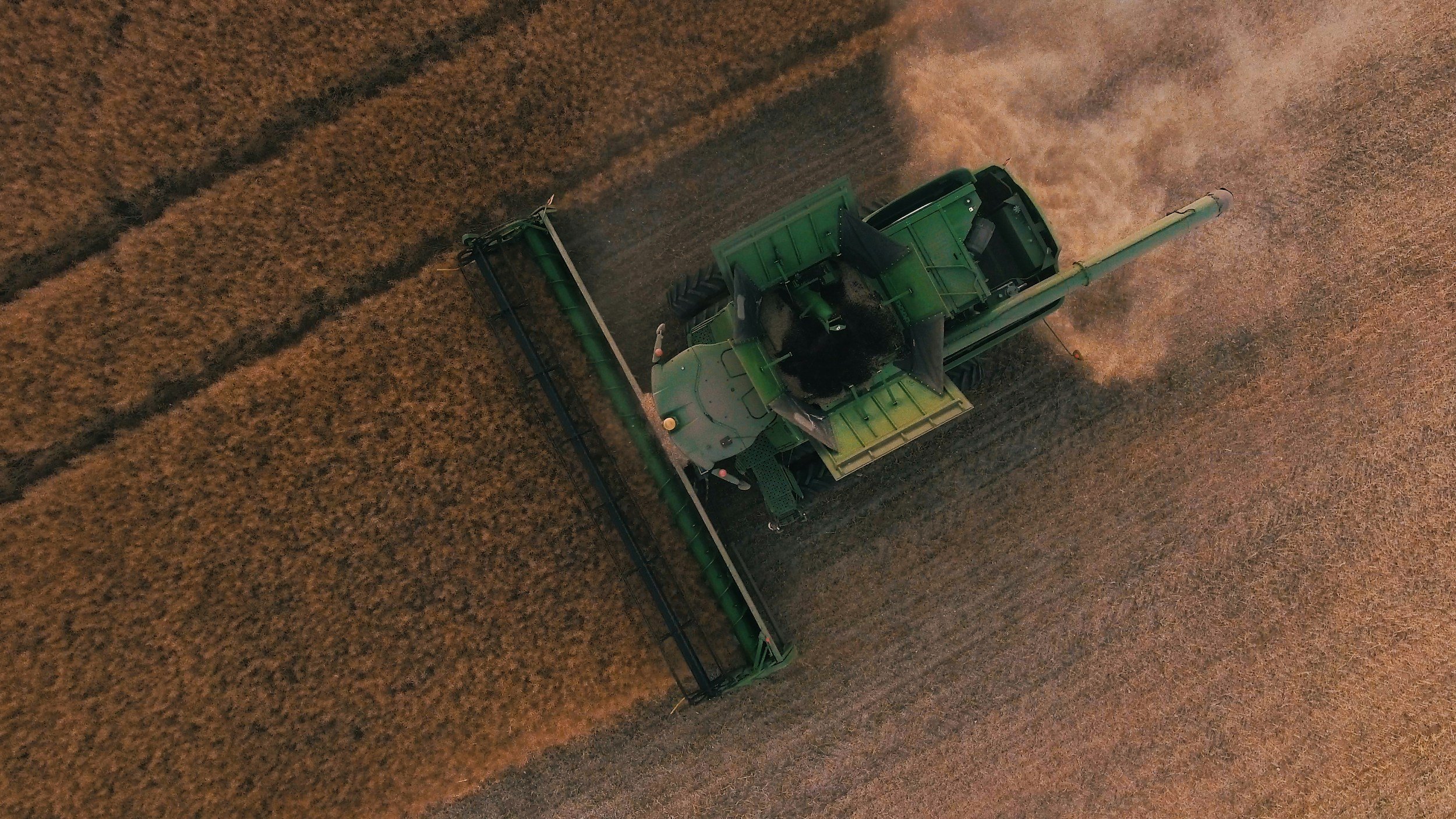
Harvesters
Seeders
Sprayers
Irrigation equipment
Feed mixers
Agricultural trailers
Implements and attachments
Depending on the policy, cover may apply for events such as:
Fire
Theft
Accidental damage
Storm damage
Transit risks
Certain types of machinery breakdown
Because agricultural machinery values can fluctuate significantly, policies should be reviewed regularly to ensure equipment remains properly insured.
Livestock Cover
Many farming operations also require insurance for livestock.
Livestock cover can vary depending on the insurer and the structure of the policy, but it may include protection for certain events such as:
Fire
Transit accidents
Specified natural events
Loss during transportation
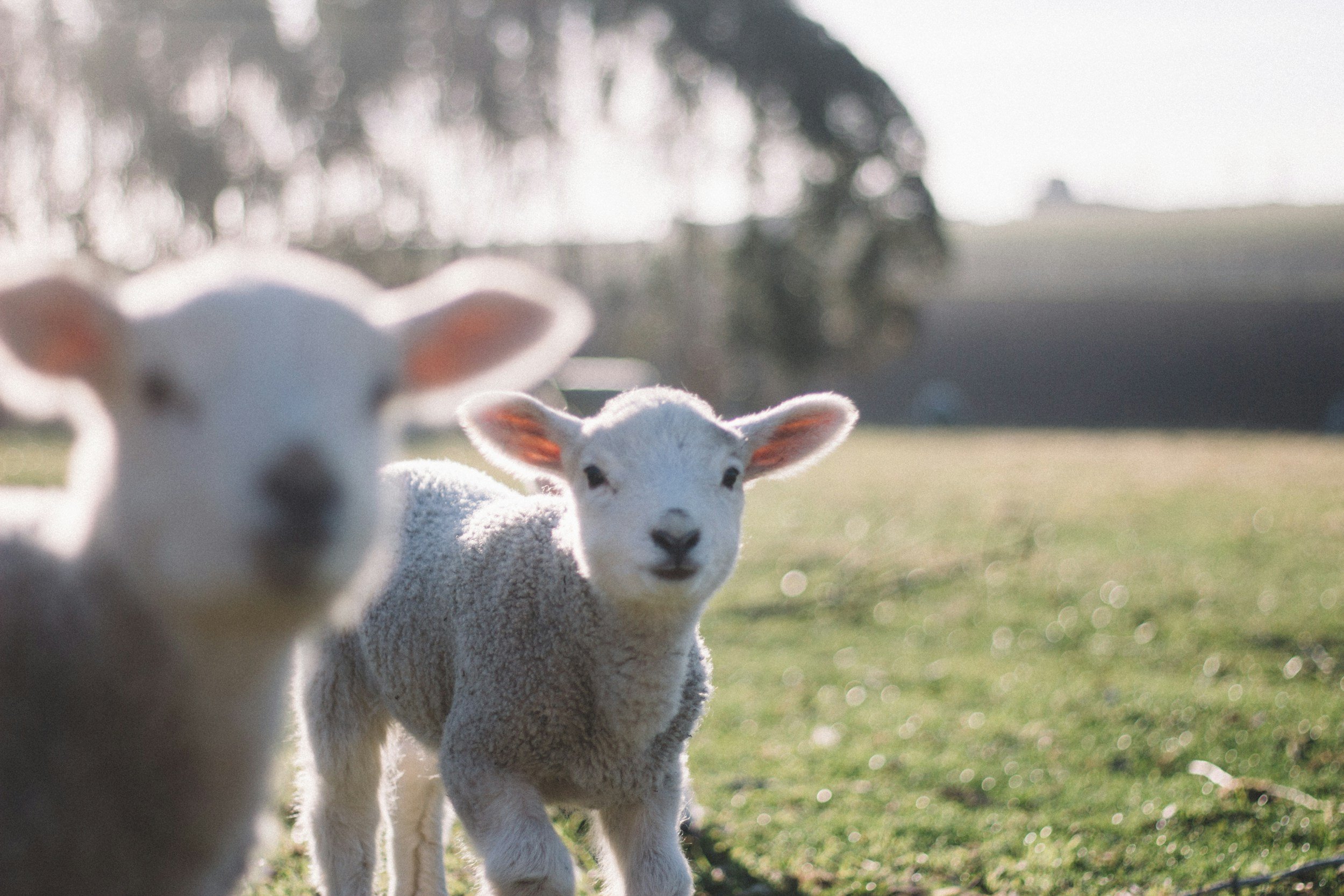
Livestock insurance is often structured differently depending on the type of agricultural operation, such as:
Cattle farming
Sheep farming
Dairy operations
Intensive livestock production
Because of these variations, livestock insurance is typically customised to reflect the specific risks of each operation.
Public Liability Insurance for Farms
Farming operations frequently involve interactions with contractors, suppliers, transport operators, and visitors.
This creates liability exposures that many farmers may not immediately consider.
Public liability insurance protects the farming business if a third party suffers injury or property damage as a result of farming activities.
Examples may include:
A visitor injured while on the property
Damage caused to neighbouring property
Liability arising from agricultural products supplied to customers
Incidents involving contractors or service providers
For farms that host visitors, farm stays, or agritourism activities, liability risks can become even more significant.
You can read more about this type of cover in our guide to Public Liability Insurance.
Business Interruption Insurance for Farms
Agricultural businesses are highly dependent on seasonal production cycles. If a major insured event disrupts operations, the financial impact can extend far beyond the initial property damage.
Business interruption insurance is designed to help protect farm income if operations are temporarily halted due to an insured event such as:
Fire destroying a machinery shed
Storm damage to key infrastructure
Equipment loss impacting production
Business interruption cover may help with:
Loss of farm income
Ongoing operating expenses
Recovery costs while operations are restored
This type of cover can be particularly valuable for agricultural businesses with tight seasonal production windows.
Liability Risks From Contractors and Workers
Many farms rely on contractors for activities such as:
Harvesting
Spraying
Earthmoving
Maintenance
Equipment servicing
While contractors typically carry their own insurance, farms can still face liability exposures connected to work performed on their property.
Farm insurance policies can be structured to account for these risks and help protect the business from claims arising from third-party activities on the property.
What Farm Insurance May Not Cover
While farm insurance provides broad protection, policies do contain exclusions.
Common exclusions may include:
Deliberate damage
Wear and tear or deterioration
Undeclared buildings or equipment
Certain flood or natural disaster risks unless specifically included
Professional advice or consultancy services
Policy wording varies significantly between insurers, which is why it’s important to review both inclusions and exclusions carefully.
Understanding what is not covered is just as important as understanding what is.
The Risk of Underinsurance in Agriculture
Underinsurance is one of the most common issues affecting rural properties.
This can happen when:
Machinery values increase over time
Buildings are insured for outdated replacement costs
New infrastructure is added but not declared
Equipment is replaced but policies are not updated
If an insured asset is undervalued, claim payments may be reduced under certain policy conditions.
Regular reviews can help ensure farm insurance remains aligned with the true value of the operation.
Why Work With a Rural Insurance Broker
Farm insurance policies vary significantly between insurers, and agricultural operations often involve complex risk exposures.
Working with a rural insurance broker can help ensure your cover reflects how the farm actually operates.
A broker can assist with:
Identifying key farming risks
Structuring policies across multiple exposures
Ensuring buildings and equipment are correctly valued
Comparing policy wording between insurers
Supporting you through the claims process if something goes wrong
For many farming businesses, having professional advice helps reduce the risk of unexpected gaps in cover.
Speak With a Rural Insurance Broker
Farm insurance isn’t just about protecting assets — it’s about protecting the continuity of your farming operation.
Whether you manage a cropping property, livestock enterprise, or mixed agricultural business, having the right insurance structure can make a significant difference when challenges arise.
If you’d like to understand how farm insurance could be structured for your operation, you can learn more about our Farm, Agriculture & Equipment Insurance Broker service.
Or contact Clutterbuck Insurance Brokers to discuss your farm’s insurance needs.